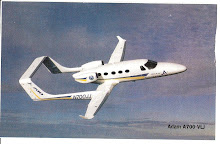
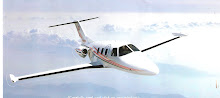
My preliminary study of the weather-related aircraft accidents and incidents indicate, still, a general lack of awareness of wind shear and it's ramifications by all pilots, particularly by GA pilots, and pertaining to low altitude and surface operations in and around airports. By the nature of their operations, airline pilots are better informed and also supported by their Company training and cockpit detection equipment.
NASA, FAA, and NTSB have spent considerable effort in identifying, defining, and investigating microbursts and wind shear since 1985. To date the awareness of wind shear and the detection by pilots is still only general and is complicated by the required use of several weather systems to detect (which must be secured by the pilot separately) and which must be dispersed to the pilot through the Controller.
As pointed out in Wind Shear I, over the years the airlines have experienced the major catastrofic accidents in connection with wind shear. NTSB, following their investigations have faulted, mainly, the crews for initiating and continuing flight into the related microburst and rainshaft emanating from the thunderstorms. The contributing causes, however, (as they often do) appear to be the root of the problem - the lack of specific guidelines, procedures, and training for avoiding the end result, that of wind shear.
We also know that there have been occurrences of wind shear experienced by GA pilots on VFR and IFR flights. Fortuneately, most were handled successfully. Considering the current volume of flying, and expected increase in the future, it is my opinion (in the interest of safety) that the need exists for a simplified system of wind shear detection and avoidance in the cockpit. Such a system must be capable of relieving the pilot and the controller of excess duties.
For the time being, and until Avionics manufacturers, FAA, and others settle on an affordable cockpit wind shear detection instrument, for both airline and GA operations, the best advice appears to be: 1. Do not fly into and through thunderstorms, if at all possible; particularly through the thunderstorm rainshaft, and during low altitude operations such as approach, landing, and takeoff. 2. Check the en route and destination weather thoroghlybefore flight using the IWAS, LLWAS, TDWR, WSP systems for wind shear. 3. When in doubt, talk to the appropriate controller regarding hazardous weather ahead in flight. 4. Then adjust your flight plans accordingly - don't wait! Thanks for listening. R.S.
Showing posts with label rainshaft. Show all posts
Showing posts with label rainshaft. Show all posts
Tuesday, October 2, 2007

Friday, September 28, 2007
Wind Shear - Part I
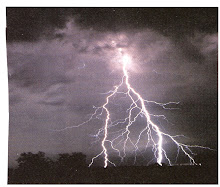
Hi Readers: Did you know that you can tell how far away a thunderstorm is from your position? Follow the lightning you see, count the seconds until you hear thunder. Then multiply your seconds times 1,128 - the speed of sound in ft/sec.
Moving on to Wind Shear. The subject, not all that well known to pilots and operators; and probably one of the most studied weather-related occurrences over the years, yet remaining highly misunderstood. In fact, the awareness factor is alarming. We have only to follow the thunderstorm and tornado reports, those originating from tropical air in the Southwest moving across the South and Midwest of the U.S., and the increased frequency of these storms in the past several years to find the source of our wind shear. Not that it doesn't occur in other areas of the world.
Wind shear is one of the more important weather-related occurrences, convective-type initiations; separate and distinct from known air turbulence, wake turbulence, mountain wave, jetwash, etc., that we should be aware of and include in our flight planning. Wind shear is directly related to downdrafts, microbursts, and convective vortex movements of air. The simple definition of wind shear is a sudden, drastic shift in winds speed, direction, or both in a horizontal and vertical plane. It's dangerous at any altitude, and particularly during surface operations such as approach, landing and takeoff. It can happen in airline or GA operations, VFR or IFR conditions, notably in connection with a cumulo-nimbus cloud or a thunderstorm.
Our cognizance of the hazards of wind shear must become full blown - the suddenness, the safety, and the fatal aspects are alarming; and the size and extent of the hazards are strictly after the fact.
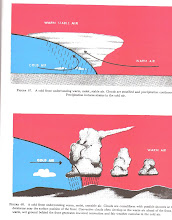
Let's start with the accepted fact that wind shear per se is hazardous and dangerous to flight by fact and experience. And, by nature, it is associated with convective air movements such as a thunderstorm, a cumulo-nimbus cloud, rain, a snowstorm, and downdrafts producing a microburst of air which sets up the wind shear and ends in a general flattening to the surface with vortex movements at each end. The total effects to airplane control are not instantaneous and can continue and progress from one stage to another; such as an increase or decrease of windspeed, which affects the airplane airspeed, and causes pitch control problems. The wind shear, as analyzed, is actually the result of the strong downdraft of air out of the center of the storm, called the rainshaft (rain or virga). This downdraft, or microburst of air, contacting the surface, then spreads out as much as 5 miles or more, horizontally and vertically, terminated by inward and upward moving vortices ( as explained before). It is estimated that 5% of all thunderstorms produce a microburst.
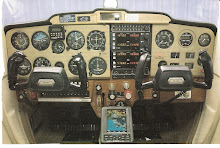
Indications in the cockpit to detect the microburst and wind shear seem to be the sudden airspeed variation, and the amount, a sudden pitch change, heavy turbulence, and a tendency to yaw or roll. The extent of the occurrence is, of course, unpredictable.
Airline encounters of wind shear have been on approach to land, landing, and takeoff. The typical approach occurrence is best illustrated by a 1985 encounter by Delta Air Lines, Flt 191, an L-1011 airplane, approaching the Dallas-Ft.Worth Intl airport, flying through a thunderstorm rainshaft, in which the developing microburst forced a landing short of the runway, resulting in fire and fatalities.
In another occurrence in 1999, American Air Lines Flt 1420, in attempting a landing at night at Little Rock, Arkansas, flew into a severe thunderstorm and crosswind, losing complete control. Similar circumstances to the Delta encounter occurred.
The typical takeoff and climb situations, encountering a microburst, resulting in wind shear, have similar cockpit indications, pitch control problems, and prevention of adequate climb past the runway.
Wind Shear - PartII will follow with Analysis.
Moving on to Wind Shear. The subject, not all that well known to pilots and operators; and probably one of the most studied weather-related occurrences over the years, yet remaining highly misunderstood. In fact, the awareness factor is alarming. We have only to follow the thunderstorm and tornado reports, those originating from tropical air in the Southwest moving across the South and Midwest of the U.S., and the increased frequency of these storms in the past several years to find the source of our wind shear. Not that it doesn't occur in other areas of the world.
Wind shear is one of the more important weather-related occurrences, convective-type initiations; separate and distinct from known air turbulence, wake turbulence, mountain wave, jetwash, etc., that we should be aware of and include in our flight planning. Wind shear is directly related to downdrafts, microbursts, and convective vortex movements of air. The simple definition of wind shear is a sudden, drastic shift in winds speed, direction, or both in a horizontal and vertical plane. It's dangerous at any altitude, and particularly during surface operations such as approach, landing and takeoff. It can happen in airline or GA operations, VFR or IFR conditions, notably in connection with a cumulo-nimbus cloud or a thunderstorm.
Our cognizance of the hazards of wind shear must become full blown - the suddenness, the safety, and the fatal aspects are alarming; and the size and extent of the hazards are strictly after the fact.
Let's start with the accepted fact that wind shear per se is hazardous and dangerous to flight by fact and experience. And, by nature, it is associated with convective air movements such as a thunderstorm, a cumulo-nimbus cloud, rain, a snowstorm, and downdrafts producing a microburst of air which sets up the wind shear and ends in a general flattening to the surface with vortex movements at each end. The total effects to airplane control are not instantaneous and can continue and progress from one stage to another; such as an increase or decrease of windspeed, which affects the airplane airspeed, and causes pitch control problems. The wind shear, as analyzed, is actually the result of the strong downdraft of air out of the center of the storm, called the rainshaft (rain or virga). This downdraft, or microburst of air, contacting the surface, then spreads out as much as 5 miles or more, horizontally and vertically, terminated by inward and upward moving vortices ( as explained before). It is estimated that 5% of all thunderstorms produce a microburst.
Indications in the cockpit to detect the microburst and wind shear seem to be the sudden airspeed variation, and the amount, a sudden pitch change, heavy turbulence, and a tendency to yaw or roll. The extent of the occurrence is, of course, unpredictable.
Airline encounters of wind shear have been on approach to land, landing, and takeoff. The typical approach occurrence is best illustrated by a 1985 encounter by Delta Air Lines, Flt 191, an L-1011 airplane, approaching the Dallas-Ft.Worth Intl airport, flying through a thunderstorm rainshaft, in which the developing microburst forced a landing short of the runway, resulting in fire and fatalities.
In another occurrence in 1999, American Air Lines Flt 1420, in attempting a landing at night at Little Rock, Arkansas, flew into a severe thunderstorm and crosswind, losing complete control. Similar circumstances to the Delta encounter occurred.
The typical takeoff and climb situations, encountering a microburst, resulting in wind shear, have similar cockpit indications, pitch control problems, and prevention of adequate climb past the runway.
Wind Shear - PartII will follow with Analysis.
Subscribe to:
Posts (Atom)